How to Tell If a Storm Damaged Your Roof
Published August 29, 2026
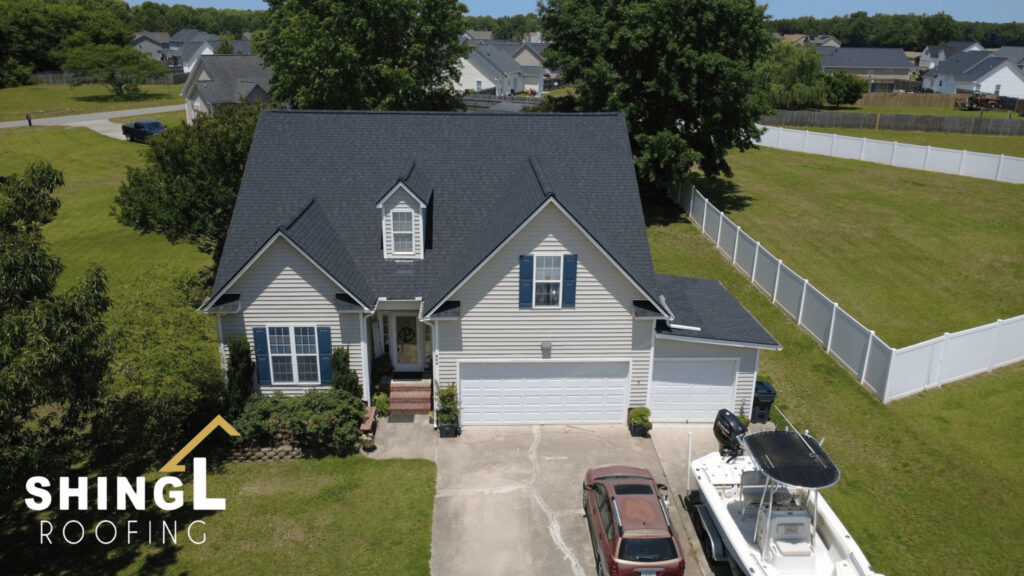
A strong storm moves through Raleigh overnight. The next morning, there are branches in the yard and leaves everywhere, but there isn’t a water stain on the ceiling. Does that mean your roof made it through without damage?
Not necessarily. Wind can loosen shingles without blowing them off completely, and hail can damage an asphalt roof in ways that are difficult to see from the ground.
You don’t need to climb onto the roof to start looking for trouble. There are several warning signs you can safely check for around your home, along with a few less obvious problems that may be worth having a roofer take a closer look at.
Storm Damage Isn’t Always Easy to Spot
When people picture storm damage, they often think of missing shingles, fallen trees, or water pouring through the ceiling. Sometimes the signs are much more subtle.
A strong gust can lift the edge of a shingle just enough to weaken the seal underneath it. Flashing can shift around vents and roof edges. Hail can knock away some of the protective granules on asphalt shingles without leaving an obvious hole behind.
These problems may not cause a leak right away. They can simply leave part of the roofing system more vulnerable the next time heavy rain or strong wind moves through the area.
That’s why the condition of the roof after a storm matters just as much as whether you can see an active leak.
What to Look for From the Ground After a Storm
Once the weather has passed and it’s safe to go outside, take a walk around your property. You can spot quite a few warning signs without ever getting on a ladder.
Look for:
- Shingles or pieces of roofing material in the yard
- Shingles that look lifted, curled, or out of place
- Fallen branches resting on the roof
- Bent or damaged flashing
- Dents or damage to gutters and downspouts
- Fallen branches resting on the roof
- Loose fascia, siding, or gutters
If you find a shingle in the yard, don’t immediately assume it came from a neighbor’s house. Compare its color and material with your own roof from a safe distance.
And if everything looks normal from the ground, that is certainly a good sign, but it doesn’t rule out damage completely.
Three Problems That May Not Be Obvious Right Away
-
Wind Damage
Strong gusts can lift or loosen shingles without pulling them completely from the roof, weakening the seal that helps keep water out.
-
Water Intrusion
Small openings around shingles, flashing, vents, or other roof penetrations can allow moisture into the roofing system before a ceiling leak appears.
-
Granule Loss
Hail and severe weather can knock protective granules from asphalt shingles, leaving the material underneath more exposed to the elements.
Wind, Hail, and Heavy Rain Can Affect a Roof Differently
Not every storm affects a roof in the same way. Strong wind, hail, and heavy rain can each create different problems, and some are much easier to spot than others.
Wind can lift shingles, break their seals, crease tabs, or pull roofing materials away completely. A lifted shingle may even settle back into place after the storm, making the problem difficult to see from the ground.
Hail can knock protective granules from asphalt shingles or leave impact damage on the roofing material. Dents on gutters, vents, and other metal surfaces around the home can also be a clue that hail hit the property.
Heavy rain is often what exposes an existing weak point. Water can find its way around damaged shingles, flashing, vents, or other openings that may not have caused trouble during lighter rainfall.
None of these automatically means the roof needs to be replaced. What matters is where the damage occurred, how extensive it is, and the overall condition of the roofing system.
If a recent storm left you wondering about your roof, a professional roof inspection can help determine whether anything actually needs attention.
No Leak? Your Roof Could Still Be Damaged
It’s reassuring to walk through the house after a storm and find dry ceilings. Just don’t use the absence of a leak as the only test for whether the roof is okay.
A ceiling stain usually appears after water has already found a path through part of the roofing system. Storm damage can happen before that point.
A loosened shingle, damaged piece of flashing, or small opening may not let enough water inside to create an obvious stain during the first storm. The problem may not become noticeable until another round of heavy rain arrives.
If you do find water inside after severe weather, try to have the source identified rather than simply waiting to see whether it happens again. A smaller roof repair is generally easier to deal with before repeated water intrusion damages the materials underneath.
Does Storm Damage Mean You Need a New Roof?
No, a storm-damaged roof doesn’t automatically need to be replaced. If the damage is limited to a small area and the rest of the roofing system is in good condition, a repair may be all that’s needed.
Replacement becomes more likely when damage is widespread, multiple areas of the roof have been affected, or the existing roof is already approaching the end of its useful life.
That’s why it’s useful to know what actually happened before making a decision. The goal of an inspection should be to determine the extent of the damage first, then decide whether a roof repair or roof replacement makes the most sense for the home.
What Should You Do After a Bad Storm?
If strong wind, hail, or falling branches recently hit your neighborhood, you don’t need to panic or immediately assume the roof is damaged. A few simple steps can help you figure out what to do next.
-
Wait Until the Weather Passes
Don't inspect your property while lightning, high winds, or other dangerous conditions are still nearby.
-
Check From the Ground
Walk around the house and look for shingles, branches, damaged gutters, loose siding, or anything that seems out of place.
-
Look for Moisture
Check ceilings and walls for new stains or damp areas. If your attic is safely accessible, look for signs of moisture there too.
-
Take Photos
Document anything unusual before cleaning up or making temporary repairs.
-
Stay Off the Roof
Wet or damaged roofing can be dangerous. You can learn a lot from the ground without putting yourself at risk.
-
Schedule an Inspection
If you find missing shingles, water intrusion, branch damage, or something you aren't sure about, have the roof checked.