What Is Happening With Your Roof?
Roof problems can appear in different ways. If any of these situations sound familiar, a professional inspection can help determine what’s causing the issue and whether a repair is the right solution.
-
Roof Leaks
Water stains, dripping, damp insulation, or moisture near ceilings may indicate damage to shingles, flashing, penetrations, or another roofing component.
Learn More -
Missing Shingles
High winds can loosen or remove shingles, leaving surrounding materials more vulnerable to water intrusion and additional weather exposure.
Learn More -
Damaged Flashing
Loose, deteriorated, or incorrectly sealed flashing around chimneys, walls, vents, and roof transitions can create common leak points.
Learn More -
Storm Damage
Wind, hail, and falling debris can damage shingles, flashing, vents, and exposed roof areas even when the roof is not leaking yet.
Learn More -
Sagging or Soft Areas
Visible sagging or soft areas may indicate moisture damage or underlying structural concerns that should be evaluated promptly.
Learn More -
Not Sure What Is Wrong?
You do not need to diagnose the problem yourself. Start with a professional inspection and let our team explain what we find.
Learn More
Finding the Source
The Leak May Not Begin Where You See the Water
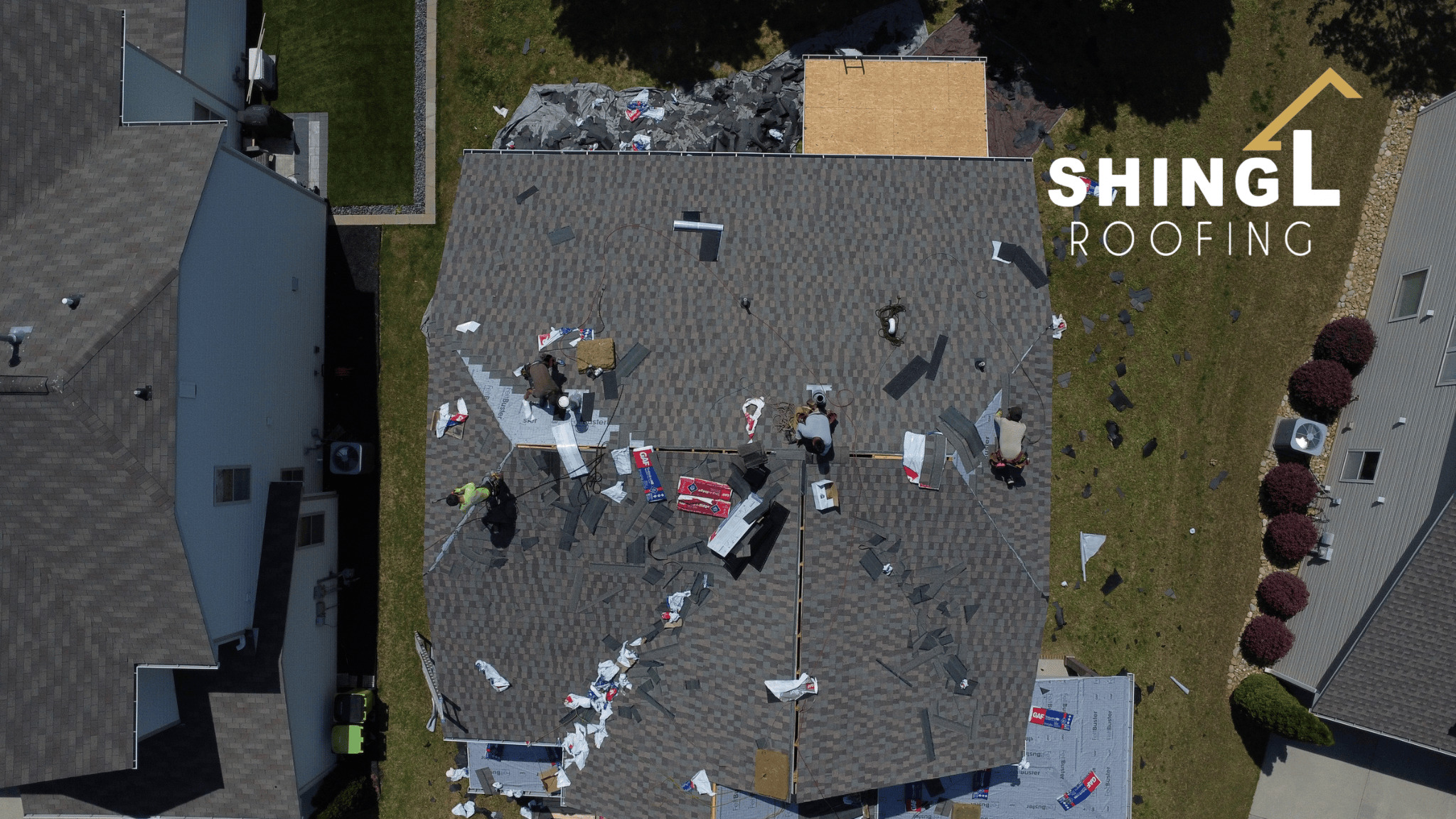
Water can travel through roofing materials before it appears inside your home. That’s why the stain on your ceiling isn’t always directly beneath the roofing problem.
A professional inspection helps identify the likely source so repairs address the problem instead of only the symptom.
Targeted Roofing Solutions
Common Roof Repairs We Evaluate
Every roof is different, but these are some of the repair situations we commonly evaluate.
Missing or Damaged Shingles
Loose, cracked, lifted, or missing shingles may expose surrounding materials to additional weather. When damage is localized and the surrounding roof remains serviceable, affected shingles may be repairable.
Flashing and Roof Transitions
Flashing protects vulnerable transitions around chimneys, walls, valleys, vents, and other roof penetrations. Loose materials, failed sealants, or damaged flashing can allow moisture to enter the roofing system.
Wind and Hail Damage
Storm damage may affect a small roofing area or multiple sections of the home. An inspection helps determine whether localized repair is reasonable or whether the damage is too widespread for a limited solution.
Roof Leaks and Water Entry
A roof leak may involve shingles, flashing, penetrations, valleys, or another roofing component. Repair begins by identifying the likely source instead of treating only the visible interior symptom.
A Clear Repair Process
From Inspection to Repair
Roof repairs don’t have to feel complicated. Here’s what you can expect from inspection through completed repair.
-
Inspect
We evaluate the affected area and surrounding roofing components for visible damage.
Learn More -
Explain
Photos and clear recommendations help you understand the apparent source and available options.
-
Repair
The approved roofing work is completed with attention to the affected area and surrounding materials.
-
Review
The completed repair is reviewed and the homeowner receives any relevant next-step guidance.
The first step is understanding what is causing the problem.
Roof Repairs Start With a Careful Inspection
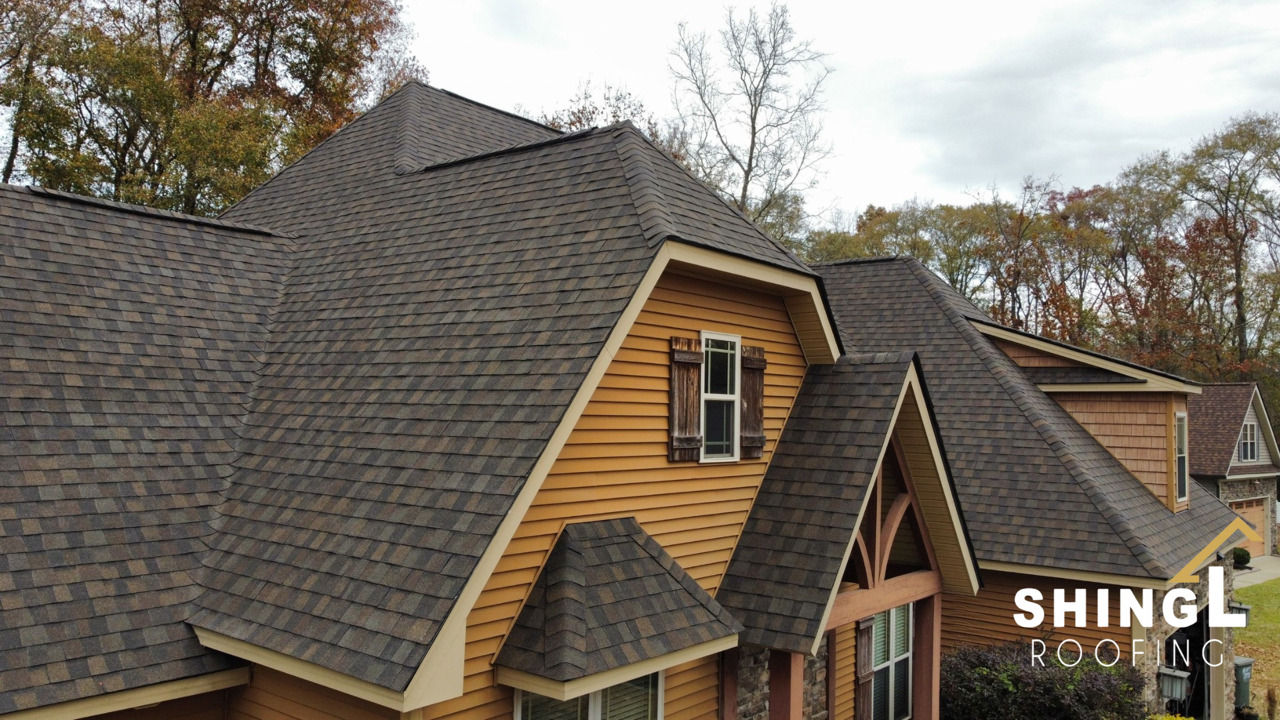
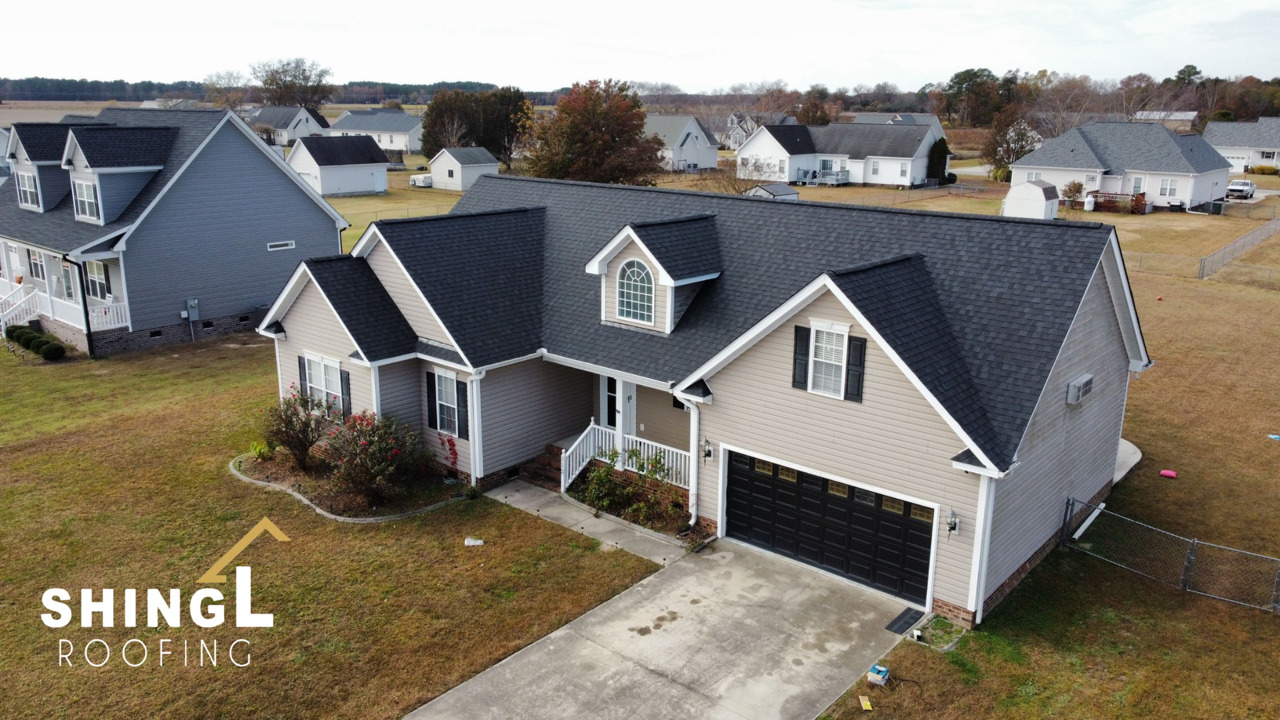
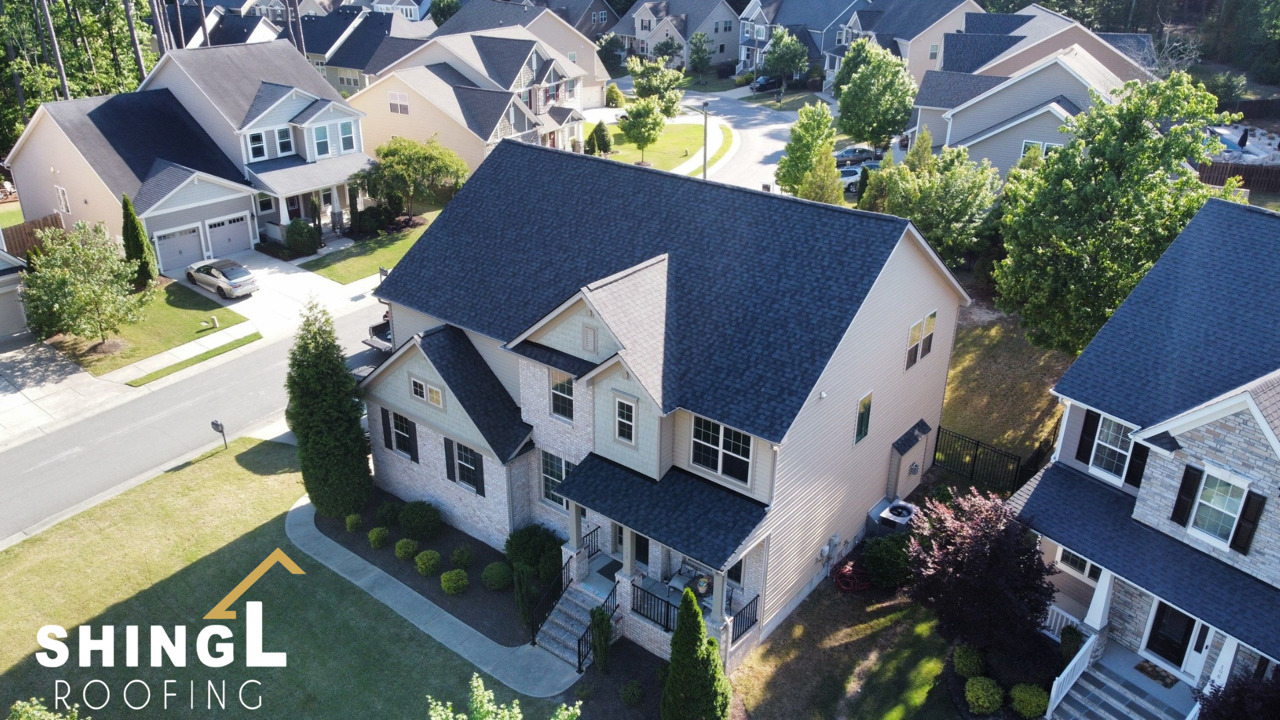
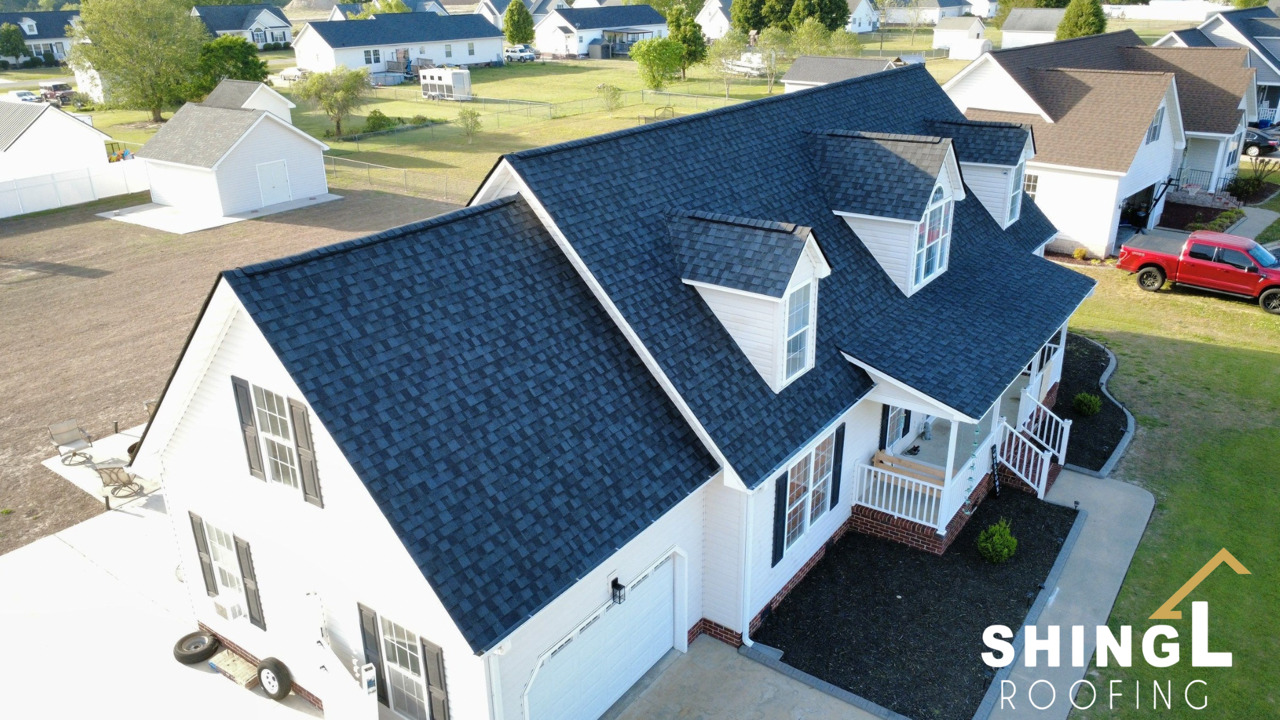
Every repair begins by understanding the condition of the roof. Here are a few examples of the roofing problems we evaluate.
View Our Recent Projects
Questions About Roof Leaks and Repairs
Here are answers to some of the questions homeowners ask before scheduling a roof repair.
Not sure whether the problem can be repaired? Start with an inspection and receive a recommendation based on the roof’s visible condition.
Request a Roof Repair Inspection
Tell Us What Is Happening With Your Roof
Roofing Help Starts Here
Tell us what you’ve noticed about your roof, and we’ll help you schedule an inspection to determine the best next step.
-
Photo Documentation
-
Clear Recommendations
-
Honest Assessment
Contact Us
No pressure and no obligation. We will only use your information to respond to your roofing request.